


In global politics, unlikely partnerships sometimes take center stage. Today, few duos are under more scrutiny than Steve Witkoff and Jared Kushner — two wealthy dealmakers tasked with navigating some of the world’s most explosive conflicts. At a moment when wars rage and tensions simmer, America’s unconventional peace pair confronts their toughest challenge yet across three global flashpoints: Gaza, Ukraine and Iran.
What sounds like the name of a corporate law firm or a retro television drama is, in fact, a central pillar of President Donald Trump’s informal diplomacy machine. Witkoff and Kushner have become the president’s trusted troubleshooters — operating outside traditional diplomatic channels, but with direct access to the Oval Office.
Geneva’s Extraordinary Diplomatic Day
Recently, the pair found themselves in Geneva holding talks with Russian, Ukrainian and Iranian officials in back-to-back sessions. It was a remarkable diplomatic marathon — one that highlighted both the ambition and the fragility of their mission.
They are expected back in Washington for discussions with Trump’s so-called “Board of Peace,” a private network of wealthy allies and global stakeholders assembled to support reconstruction and stabilization efforts in war-torn regions.
Their mandate is immense:
End the war between Russia and Ukraine.
Prevent a potential US-Iran military conflict.
Preserve a fragile ceasefire in Gaza.
Success in even one arena would be historic. Achieving progress on all three seems almost unimaginable.
Flashpoint One: Gaza’s Fragile Ceasefire


The most tangible diplomatic achievement so far has been a ceasefire in Gaza. Brokered in part through quiet negotiations involving regional stakeholders, the deal secured the release of Israeli hostages and increased humanitarian aid flows.
Yet the agreement remains delicate. Renewed airstrikes and mutual accusations of violations threaten to unravel the progress. The second phase — disarming Hamas, introducing an international stabilization force, and launching a reconstruction plan — faces enormous resistance.
The reality is stark: neither Israel nor Hamas appears ready to concede core demands. Without compromise, the ceasefire could collapse, plunging civilians back into devastation.
Flashpoint Two: The Grinding War in Ukraine


The war between Russia and Ukraine continues through another punishing winter. Casualties mount, cities are scarred, and the risk of a broader NATO confrontation looms.
For Russian President Vladimir Putin, territorial control in eastern Ukraine remains a strategic objective. For Kyiv, surrendering those regions would be politically and militarily untenable.
Negotiations are happening — and that alone is significant. But skepticism abounds over whether Moscow genuinely seeks peace or is merely buying time for battlefield advantage.
If a breakthrough emerges, it would be transformative. But entrenched positions make compromise extraordinarily difficult.
Flashpoint Three: Iran and the Shadow of War

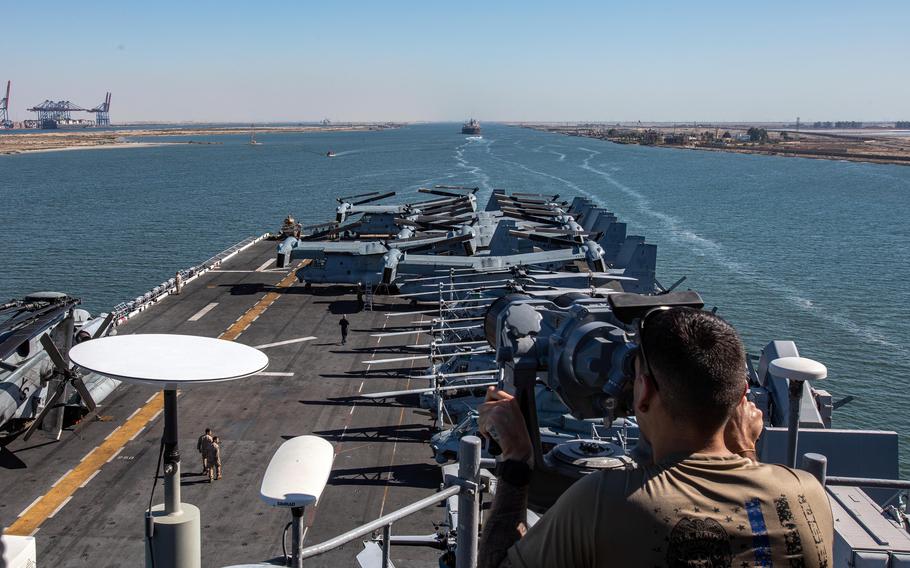

Tensions with Iran add another layer of volatility. While Tehran has signaled openness to discussions around its nuclear program, it refuses to negotiate limits on its ballistic missile capabilities or regional proxy networks — pillars of its national security doctrine.
President Donald Trump has walked a tightrope. A deal resembling the Obama-era nuclear agreement he once dismantled could damage his political standing. Yet escalation toward open conflict risks regional chaos and domestic backlash.
Polls suggest Americans are wary of another Middle East war. Still, as military assets gather in the region, diplomatic missteps could rapidly escalate.
Why Witkoff and Kushner?


Steve Witkoff, a longtime Trump ally and real estate developer, serves as a special envoy. Jared Kushner — Trump’s son-in-law — holds no formal government office but wields considerable influence.
Their unconventional credentials are precisely what define them. They are business strategists who approach geopolitics with a dealmaker’s mindset. Critics argue that global conflicts are not property disputes to be negotiated over blueprints and balance sheets. Supporters counter that traditional diplomacy has often stalled — and that fresh approaches are necessary.
Importantly, both men possess what many envoys lack: direct empowerment from the president. That authority can accelerate decisions but also concentrates risk.
Skepticism and Precedent
Concerns linger among US allies about their inexperience and informal methods. Some past proposals appeared overly favorable to Moscow, raising questions about strategic balance.
Yet history shows that unconventional emissaries can succeed. Presidents have often relied on trusted confidants operating beyond bureaucratic constraints to achieve breakthroughs — from backchannel negotiations in World War II to the opening of China under President Richard Nixon.
The difference today is institutional erosion. With reduced diplomatic staffing and expertise, there is less institutional scaffolding to support ambitious negotiations.
The Limits of the “Deal” Mindset
Conflicts in Gaza, Ukraine and Iran are not simply territorial disputes. They are rooted in identity, history, ideology and survival.
For Moscow, eastern Ukraine carries symbolic and strategic weight.
For Kyiv, sovereignty is existential.
For Tehran, military deterrence underpins regime security.
For Israel and Palestinians, land is inseparable from identity.
These are not easily divisible assets in a commercial transaction.
A Legacy on the Line
Trump’s urgency adds another dimension. He has openly linked diplomatic breakthroughs to his historical legacy. High expectations create pressure for rapid results — but peace agreements typically require painstaking groundwork.
If progress materializes, the credit will be enormous. If negotiations collapse or trigger unintended escalation, the consequences could be equally historic.
At this crossroads, America’s unconventional peace pair confronts their toughest challenge yet across three global flashpoints. Whether they emerge as visionary disruptors or overextended intermediaries will depend not just on their negotiating skill — but on whether the parties themselves are ready to choose compromise over confrontation.
